
Fire Safety Maintenance: The Duty, and What Happens When It Fails
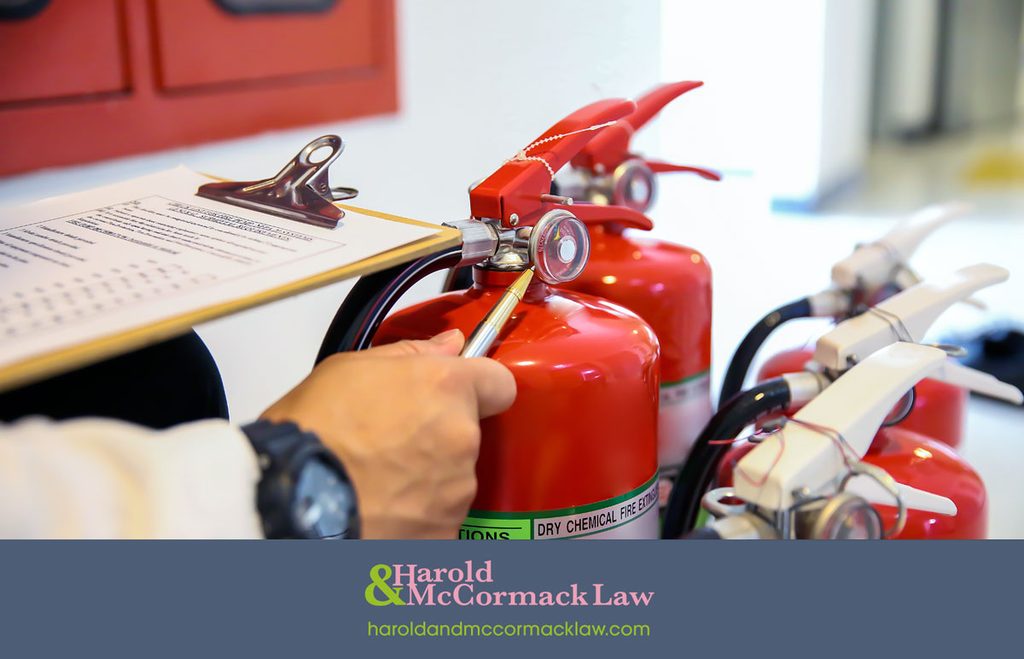
If you are the Responsible Person under the Regulatory Reform (Fire Safety) Order 2005, Article 17 requires that all facilities, equipment and devices provided for fire safety are properly maintained and kept in good working order. In practice, organisations often rely on a single contractor supplying a fire alarm system, while key areas are overlooked. […]
HSE Prosecutions: The Pattern Behind the Cases

A consistent pattern emerges following several multi-million pound HSE prosecutions over the last 18 months and that is that catastrophic outcomes rarely stem from a single mistake. They expose weaknesses that build over time – risks that have become normalised, inconsistent training, warning signs not properly addressed, and decisions made by people without the necessary […]
Approved Document B Changes For Building Safety

On 30 September 2026, amendments to Approved Document B introduced updated guidance (subject to transitional arrangements) for existing projects,for a second staircase in new blocks of flats with a top storey of 18 metres or more, a minimum common stair width of 1100mm at that height, restructured escape guidance, and new provisions supporting evacuation lifts. […]
Fire Door Safety, from a regulatory angle
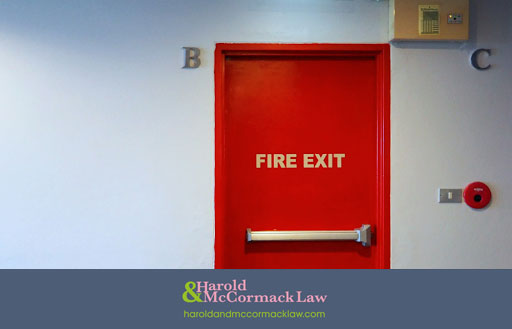
Under the Regulatory Reform (Fire Safety) Order 2005, the responsible person must take general fire precautions and keep fire safety measures maintained and in working order, and fire doors are often central to those measures. They are also compromised easily: a door left open, a failed closer, unreported damage, an alteration that affects performance, or […]
Fewer Enforcement Notices Don’t Necessarily Mean Less Risk

HSE data obtained through a Freedom of Information request shows recorded fire safety breaches on construction sites fell by around a third between 2023/24 and 2024/25 (from 536 to 361), with enforcement notices down from 92 to 50 – yet non-fatal injuries from fire or explosion barely changed. Enforcement statistics capture only what the regulator […]
Mental Health is a Health and Safety Issue

Health and safety at work is not limited to physical harm. Employers’ duties extend to mental health, including assessing and managing work-related stress. The HSE’s Management Standards set out six areas that contribute to it if poorly managed: demands, control, support, relationships, role and change. Psychosocial risks are often harder to handle than physical ones: […]
Fire Safety Approved Document B

Amendments to Approved Document B (fire safety) took effect on 30 September 2026. The headline change introduced guidance for a second common staircase in new blocks of flats with a top storey 18 metres or more in height, aligning broadly with the threshold applied to the higher-risk building regime. The amendments revise the guidance on […]
Important Safeguarding Change

From 1 September 2026, the “supervision exemption” has been removed from the definition of regulated activity with children under the Crime and Policing Act 2026. Roles previously outside regulated activity because the person was supervised may now fall within it, bringing more volunteers and other supervised roles within the regulated activity regime, enhanced DBS checks […]
The “Hillsborough Law”
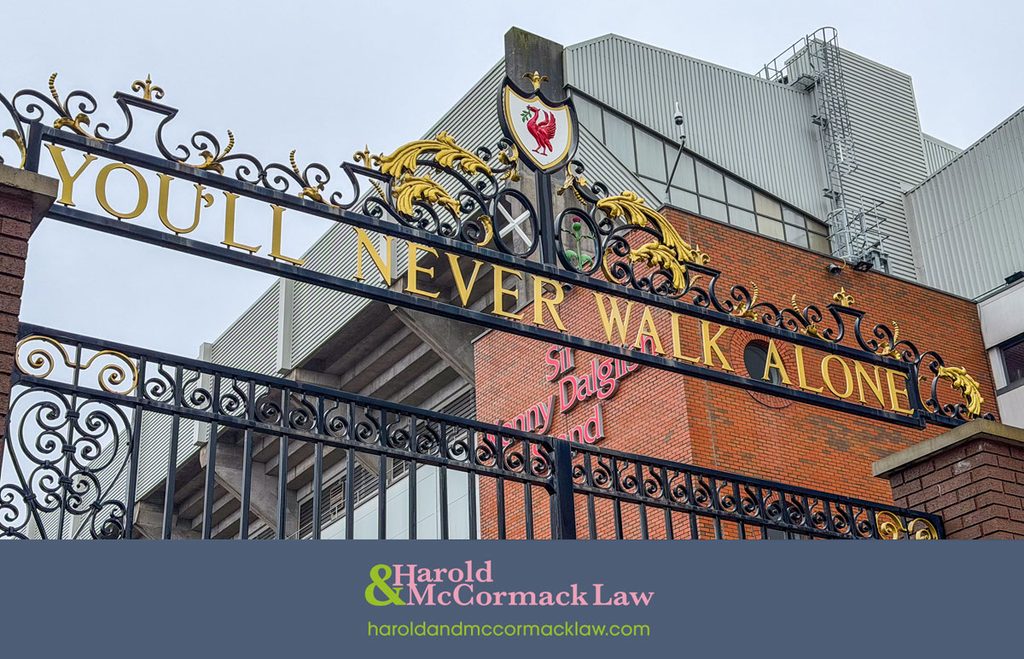
The Public Office (Accountability) Bill had its second reading in the House of Lords on 1 September 2026. In its current form, it will create a statutory duty of candour and assistance for public authorities and officials, new statutory offences relating to breaches of that duty and misleading the public will replace the common law […]
Workplace Investigations – instruct early

We recently advised a corporate client that believed it had nothing to hide and delayed instructing solicitors until the investigation had grown beyond what it could manage. The consequences were significant: documents were disclosed unnecessarily, unhelpful communications were generated, and data protection was inadvertently breached, all while attempting to demonstrate cooperation. Early legal advice does […]