
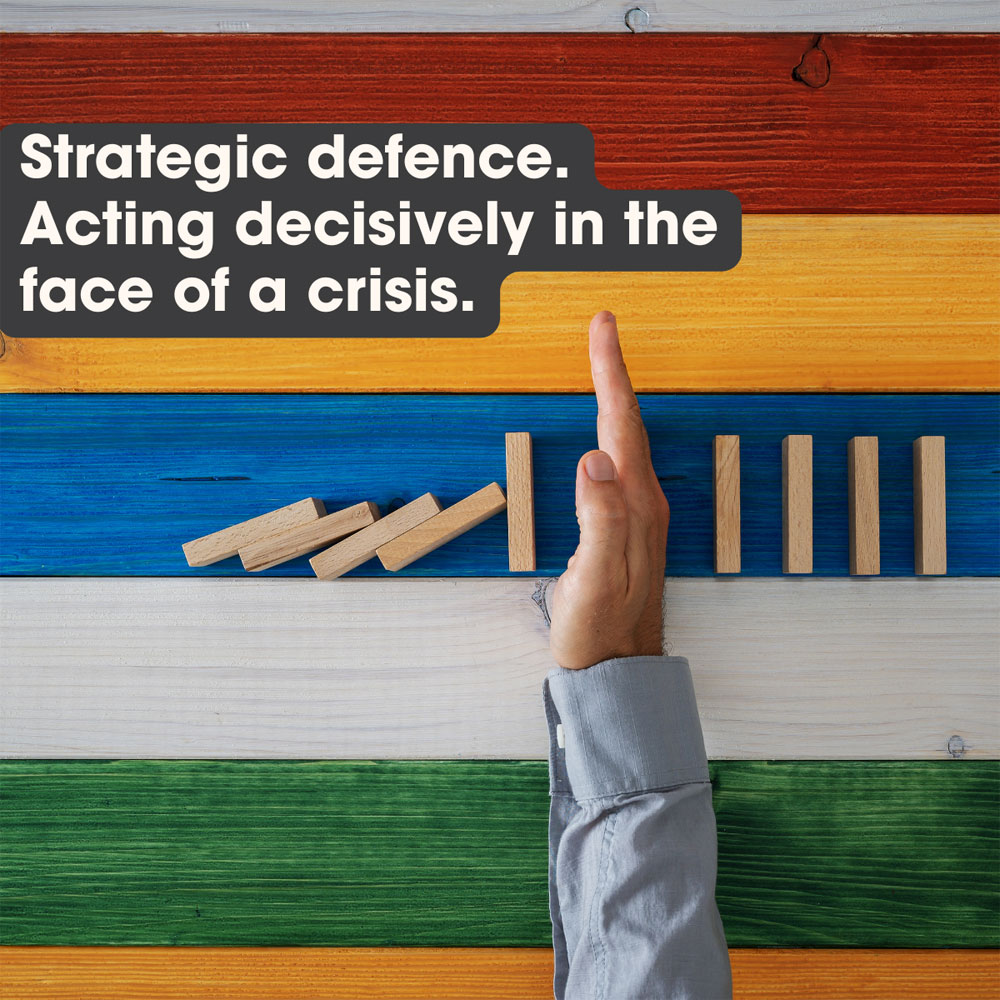
After decades of defence work for clients during their toughest moments, we have learnt that the decisions made in the first 48 hours of a crisis often determine whether a company and its people emerge resilient or fail to recover.
We recently witnessed a business make the classic mistake of waiting to ‘see what happens’ before taking action. Within days, inspectors had already formed a narrative, media interest was underway, and what could have been a manageable incident turned into a nightmare for those trying to contain the fall out.
The reality is that in today’s regulatory landscape, there is no such thing as ‘lying low’. Whether it’s a health and safety incident, an environmental breach, or a systemic governance failure, the clock starts ticking the moment something goes wrong.
From our experience representing clients in various crises, we have seen that those who survive have the following in common:
🔹 They have pre-established business continuity plans.
🔹 They engage specialist legal support immediately, not eventually.
🔹 They understand that regulatory thinking drives enforcement action.
In contrast, those who struggle treat legal crises like operational problems that can be solved with good intentions.
In an era where corporate accountability is under intense scrutiny, the luxury of ‘waiting it out’ simply does not exist.
So, here’s a question: Does your organisation have a business continuity plan that goes beyond communications? What would you do in the first hour of a regulatory investigation?